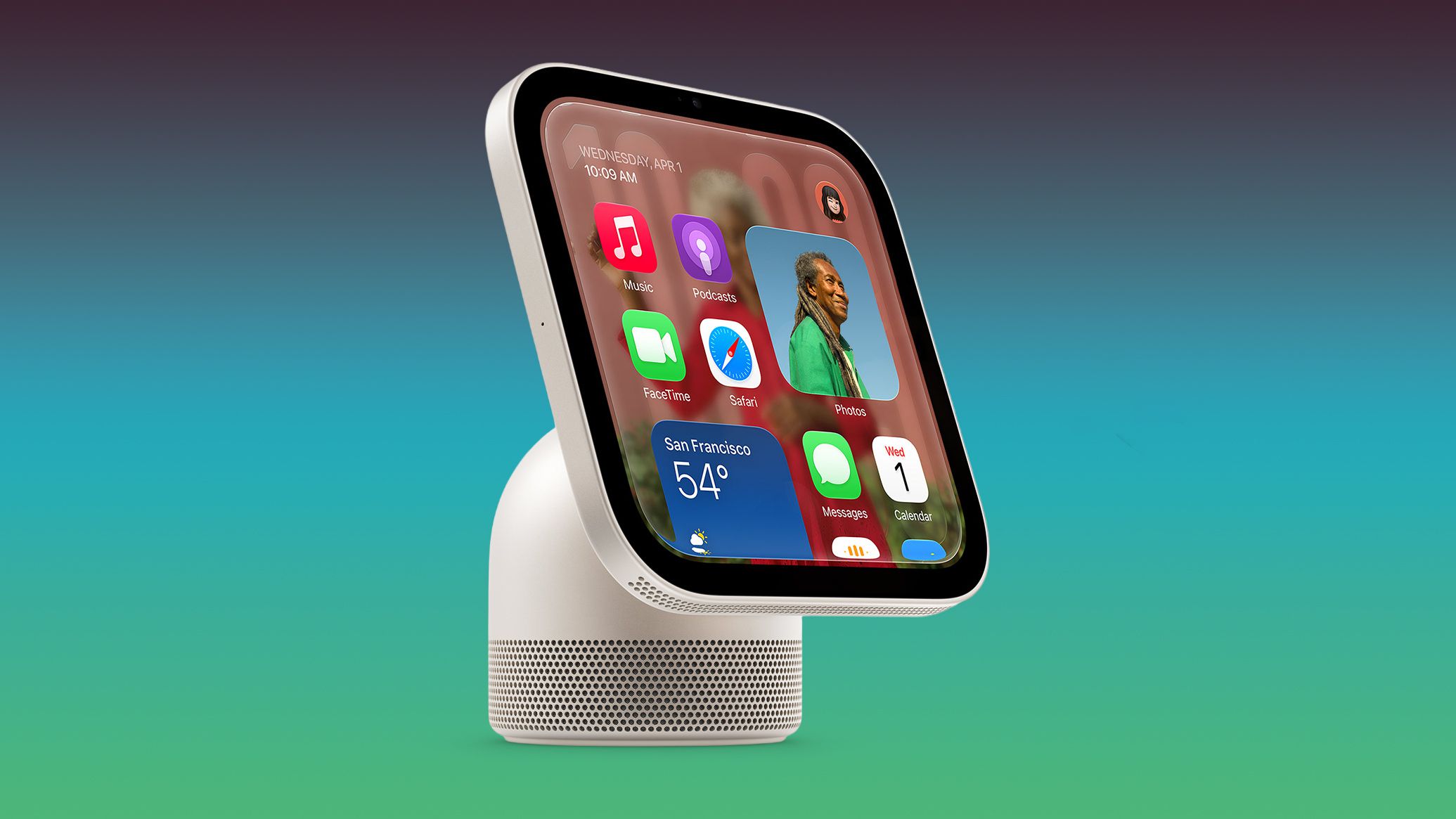
Specific capabilities and how they work, summarized from public product & technical records.
14 capabilities
Smart home interface appearance
2018–2022
This design protects the appearance of a screen interface, tentatively associated with smart-home controls. Without the patent drawings, specific controls or interactions cannot be identified.
Adaptive speech endpoint detection
2026
The assistant improves its determination of when a user has finished speaking. This helps avoid cutting off requests or waiting unnecessarily before responding.
Animated control interface appearance
2022
The design protects an interface's visual animation sequence. The inventor context suggests a connection to HomeView, but the metadata does not reveal the specific controls or animation.
Animated interface visual transitions
2020
The filing protects changing visual states of an on-screen interface. HomeView is the strongest supplied attribution, but the actual interaction cannot be determined without the design drawings.
Assistant interface visual layout
2018
This design protects a screen's visual presentation. Its inventor context suggests an assistant-related interface, while the routing and touchscreen classifications leave open a navigation-related interpretation.
Combined voice and touch interaction
2026
The interface lets users interact through speech and graphical controls rather than relying on only one input method. The available evidence points to Siri, but does not establish multilingual processing specifically.
How Apple Intelligence evolved
Key product launches, updates, and underlying technology milestones.
USER INTERFACES FOR VIEWING LIVE VIDEO FEEDS AND RECORDED VIDEO
This interface lets users view live camera feeds and previously recorded footage. The surveillance classifications point to home-camera monitoring rather than sports or television playback.
SYSTEMS AND TECHNIQUES FOR USING A DIGITAL ASSISTANT WITH AN ENHANCED ENDPOINTER
The assistant improves its determination of when a user has finished speaking. This helps avoid cutting off requests or waiting unnecessarily before responding.
The interface lets users interact through speech and graphical controls rather than relying on only one input method. The available evidence points to Siri, but does not establish multilingual processing specifically.
The filing concerns graphical controls for lighting, with classifications covering sensor-responsive lighting and communication-based control. This fits the smart-home control portion of the supplied HomeView feature.
TECHNIQUES FOR REACTING TO DEVICE EVENT STATE CHANGES THAT ARE SHARED OVER A NETWORK OF USER DEVICES
Lets connected devices share changes in their status and respond to those changes. In a smart-home interface, this can keep device controls current and coordinate reactions across devices.
This filing concerns the intelligence engine behind a digital assistant, likely supporting interpretation of requests and generation of useful responses. The available title does not specify its models, orchestration methods, or language coverage.
The work supports more natural interactions with a digital assistant through speech and potentially gaze-based input. The supplied evidence does not establish support for additional languages.
DISPLAY SCREEN OR PORTION THEREOF WITH GRAPHICAL USER INTERFACE
This design protects the appearance of a screen interface, tentatively associated with smart-home controls. Without the patent drawings, specific controls or interactions cannot be identified.
DISPLAY SCREEN OR PORTION THEREOF WITH ANIMATED GRAPHICAL USER INTERFACE
The design protects an interface's visual animation sequence. The inventor context suggests a connection to HomeView, but the metadata does not reveal the specific controls or animation.
DISPLAY SCREEN OR PORTION THEREOF WITH GRAPHICAL USER INTERFACE
This filing protects a graphical screen's appearance, with inventor context suggesting a home-control interface. It does not by itself establish device discovery or interoperability functionality.
The work concerns an assistant that recognizes spoken input and responds to user requests. A facial-analysis classification also suggests visual user cues may contribute, but the exact mechanism is unclear without the abstract.
DISPLAY SCREEN OR PORTION THEREOF WITH ANIMATED GRAPHICAL USER INTERFACE
The filing protects changing visual states of an on-screen interface. HomeView is the strongest supplied attribution, but the actual interaction cannot be determined without the design drawings.
This work enables connected devices, such as lights, to respond automatically to a person's location or presence. It supports home routines triggered by arrival, departure, or proximity.
DISPLAY SCREEN OR PORTION THEREOF WITH GRAPHICAL USER INTERFACE
This patent protects a screen interface's visual design, potentially used in Apple's smart-home product lineage. The available metadata does not reveal device discovery or control mechanisms.
NAMED ENTITY NORMALIZATION IN A SPOKEN DIALOG SYSTEM
This work helps a voice assistant turn spoken names into consistent identifiers. That lets it associate a request with the intended person, place, or other named item.
The work appears to let a digital assistant manage dialogue that can proceed in multiple directions rather than following a fixed question-and-answer sequence.
DISPLAY SCREEN OR PORTION THEREOF WITH GRAPHICAL USER INTERFACE
This filing protects the appearance of a graphical interface rather than a device-discovery mechanism. The supplied inventor context suggests a home-control screen, but the drawings would be needed to confirm that attribution.
DISPLAY SCREEN OR PORTION THEREOF WITH GRAPHICAL USER INTERFACE
This design protects a screen's visual presentation. Its inventor context suggests an assistant-related interface, while the routing and touchscreen classifications leave open a navigation-related interpretation.